Spring Creek Drilling
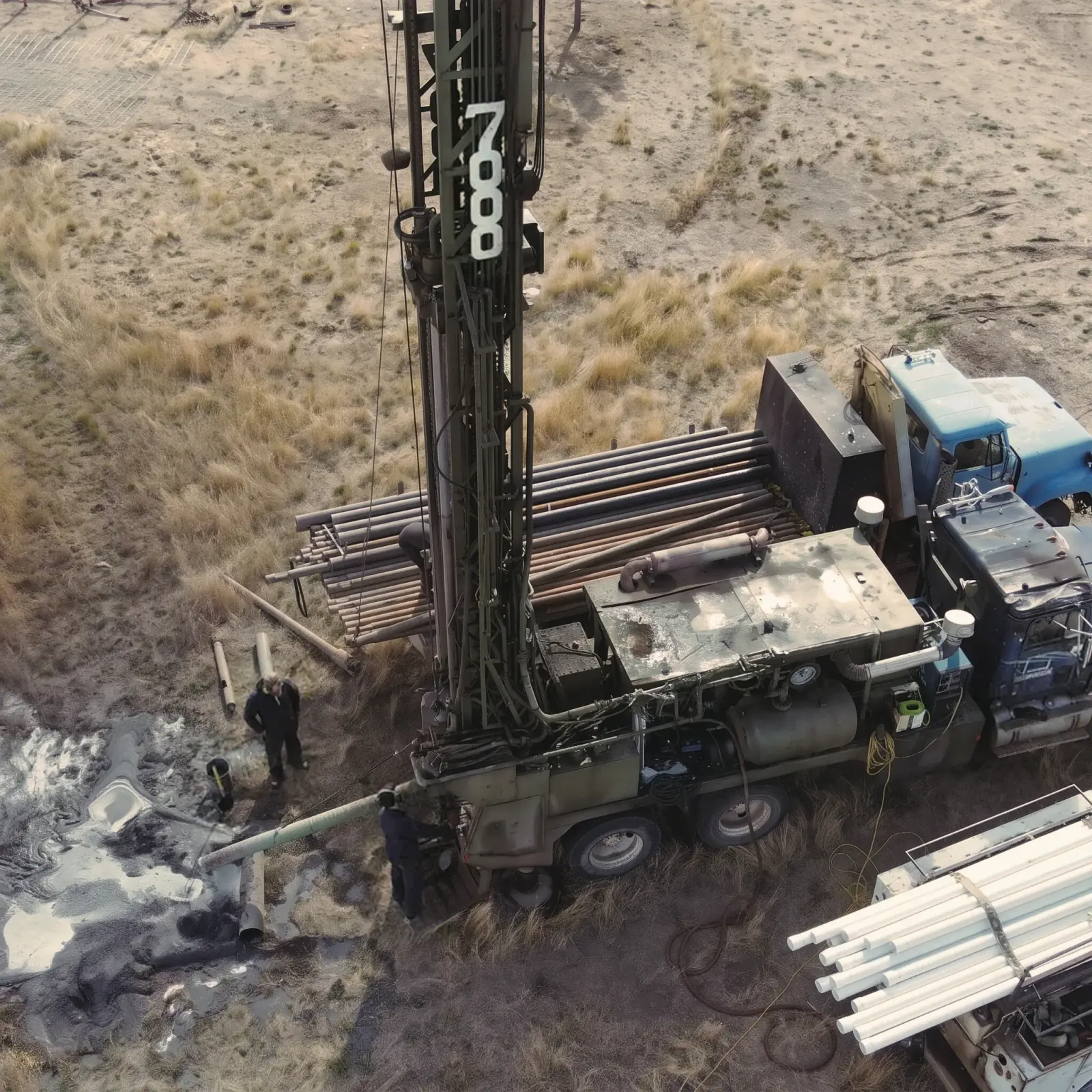
Water for Livestock
Stock watering is one of the uses Washington exempts from water right permits (RCW 90.44.050), and unlike household use it has no daily gallon cap. The state Attorney General reached that reading in 2005, the Washington Supreme Court upheld it in 2011 (Five Corners Family Farmers v. State), and Ecology's current guidance says: "There is no quantity limit on water use for stock watering."
Two limits still apply. The exemption covers watering the animals, not "secondary uses such as dust control, cleaning of animals or facilities, or irrigation of crops for animal consumption," which may need a water right (Ecology Publication 19-11-090). And as the Supreme Court noted in Five Corners, exempt use can't impair senior water rights.
How much water do animals need?
Typical daily drinking water per animal, from Penn State Extension:
| Animal | Gallons per head per day |
|---|---|
| Milking dairy cow | 35 |
| Beef cattle (dry cows, steers) | 12 |
| Horse | 12 |
| Sheep or goat | 2 |
Needs rise in hot weather: North Dakota State University Extension figures show a 900-pound nursing beef cow drinking about 11 gallons a day at 40°F and about 17 at 70°F. As a rough example, 50 beef cows at 12 gallons each need about 600 gallons a day, more in a July heat wave. Tell us what the well needs to supply and we'll factor it into the plan. (Sources: Penn State Extension, NDSU Extension.)
Irrigation Wells and Water Rights
We drill irrigation wells both within the permit exemptions and under a water right. Without a water right, a well can water up to half an acre of lawn or noncommercial garden, and Ecology says the 5,000-gallon-a-day industrial exemption can cover "irrigation of a small commercial farm, nursery, or garden." Using more than that needs a water right permit from Ecology, and state well rules say a well that needs one can't be drilled until the permit is issued (WAC 173-160-121).
New water rights take time. Ecology says they "can be difficult and expensive to obtain, and the process can take many years," and the state's permit handbook reports an average of about 5,800 days from a complete application to a decision (2024 data). Ecology recommends a pre-application consultation and accepts applications through its online water rights portal. Its watershed summaries also note that buying an existing water right and changing its purpose or place of use can be easier, as long as the right has been kept in regular use. Water conservancy boards for Lincoln, Spokane and Stevens Counties handle those change applications.
Basins With Little Water Left
Ecology's watershed summaries flag several parts of our service area where new water rights are hard or impossible to get:
- West Plains (the plateau southwest of the Spokane River): groundwater is declining and the area is "considered over-appropriated, and no further water is available for new uses."
- Odessa Subarea (around Odessa): groundwater levels "are declining rapidly in many places," so groundwater "is not available for new uses."
- Little Spokane: "generally closed to new water right permits" unless the impacts are fully mitigated.
- Colville: tributaries are generally closed to new uses, and the Colville River is closed seasonally from July 16 to September 30.
- Lower Spokane: "most water in the watershed is already legally spoken for."
These limits apply to new water right permits. Permit-exempt uses have their own rules, and Ecology's Eastern Region office can confirm what applies to a specific property. (Sources: Ecology's water availability summaries for WRIA 34, WRIA 43, WRIA 55, WRIA 59 and WRIA 54.)
Planning a Farm Well
- Location. Wells can't be inside barns, garages, storage buildings or houses, and they need at least 100 feet from a septic drainfield and 50 feet from a septic tank (WAC 173-160-171).
- State notice. Ecology gets a notice of intent at least 72 hours before drilling. The state fee is $200 for a well with casing under 12 inches and $300 for 12 inches or larger.
- Depth. Wells around Spokane County have a median depth of 200 feet, but it varies a lot by area. See typical depths by town.